Introduction
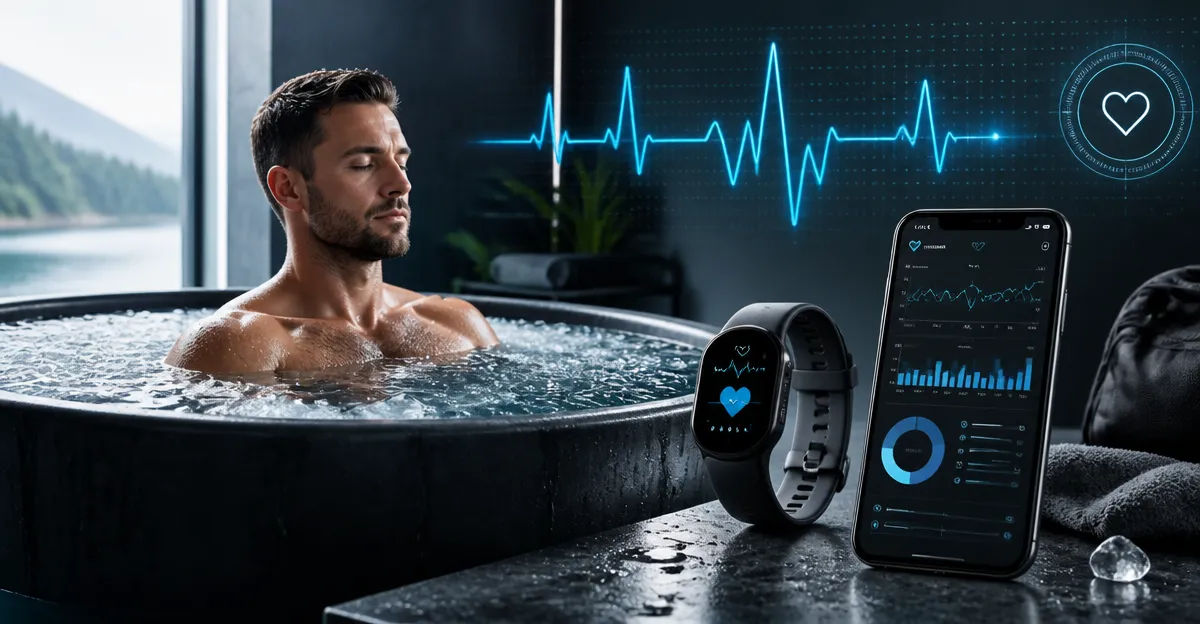
Ice‑bath recovery has become a staple for athletes seeking to reduce inflammation, accelerate muscle repair, and improve mental resilience. Yet the optimal temperature, duration, and frequency vary dramatically between individuals. This guide explains how heart‑rate‑variability (HRV) metrics, captured by reliable wearables, can personalize ice‑bath protocols. Readers will learn the science behind HRV, how to interpret data, which devices are best suited for the task, and actionable steps to integrate cold‑water immersion into a training plan.
By the end of this article, one will be able to select a suitable wearable, set up HRV monitoring, and apply a data‑driven ice‑bath schedule that maximizes recovery without compromising performance.
Background and Context
HRV measures the variation in time between consecutive heartbeats. A higher HRV generally indicates a well‑balanced autonomic nervous system, whereas a depressed HRV suggests stress, fatigue, or insufficient recovery. Cold‑water immersion influences the sympathetic and parasympathetic branches, temporarily raising heart rate and then triggering a rebound increase in HRV as the body re‑equilibrates.
Research shows that a 10‑minute immersion at 10‑12°C can improve subsequent sprint performance when HRV is above an individualized threshold. Conversely, applying an ice bath when HRV is already low may exacerbate stress and delay adaptation. Therefore, real‑time HRV data provides a feedback loop that tells the athlete when the body is ready for cold exposure.
Modern wearables equipped with chest‑strap ECG sensors or optical PPG technology deliver HRV readings with clinical‑grade accuracy. When paired with dedicated apps, these devices log nightly trends, calculate recovery scores, and generate alerts for optimal ice‑bath windows.
Choosing the Right Wearable for HRV‑Guided Ice Baths
Not every heart‑rate monitor is created equal. The following products have been selected based on accuracy, battery life, connectivity, and user feedback. The first mention of each device is linked to its Amazon listing.
- Polar H10 – Chest‑strap ECG sensor with 4.1‑star rating, waterproof to 30 m, and internal memory for standalone sessions.
- Garmin HRM 600 – Advanced chest strap offering HRV, running dynamics, and a rechargeable battery lasting up to two months.
- Garmin HRM 200 – Budget‑friendly strap with 1‑year battery life, 3 ATM water resistance, and reliable Bluetooth/ANT+ connectivity.
- WHOOP 5.0 – Screenless wristband that continuously monitors HRV, sleep, and strain, backed by a 12‑month membership.
- FITVII Tracker – Ultra‑slim, screenless band offering HRV, blood‑oxygen, and step tracking without a subscription.
Each device brings distinct advantages. Chest‑strap ECG models (Polar H10, Garmin HRM 600, HRM 200) provide the most precise R‑R interval data, essential for accurate HRV calculations. Wrist‑based options (WHOOP 5.0, FITVII Tracker) excel in convenience and 24/7 monitoring, making them ideal for athletes who prefer a hands‑free experience.
Step‑by‑Step Protocol for HRV‑Driven Ice‑Bath Recovery
- Baseline Assessment – For the first seven nights, wear the chosen device continuously to establish a personal HRV baseline. Record the average nightly RMSSD (root mean square of successive differences) value.
- Identify Recovery Threshold – Set a threshold at 85 % of the baseline average. When the nightly HRV falls below this level, the body may still be under systemic stress and an ice bath could be counter‑productive.
- Pre‑Bath Warm‑Up – Perform a light 5‑minute dynamic warm‑up (e.g., leg swings, arm circles). This raises core temperature slightly, ensuring the cold stimulus is perceived as therapeutic rather than shocking.
- Ice‑Bath Execution – Submerge the torso and thighs in water maintained at 10‑12 °C for 8‑12 minutes. Use a timer to avoid overexposure, which can suppress HRV for several hours.
- Post‑Bath Monitoring – Immediately after the bath, record the acute HRV response (within 5 minutes). A rise of at least 5 % compared to pre‑bath HRV indicates a positive autonomic shift.
- Data Review – At the end of each week, review trends in the app’s recovery score. Adjust bath frequency: aim for 2‑3 sessions per week when HRV consistently exceeds the threshold, and reduce to 1‑2 sessions when HRV trends downward.
Consistent logging creates a feedback loop that teaches the athlete when cold exposure is beneficial and when it may hinder adaptation.
Product Recommendations Within the Protocol
During the baseline phase, a device with high‑resolution ECG is advisable. The Polar H10 offers 4.1‑star rating from 26,989 reviews, a waterproof design, and internal memory for up to one training session without a phone. Its dual‑Bluetooth and ANT+ connectivity allow simultaneous pairing with a smartwatch and a bike computer, ensuring data capture across all activities.
For athletes who already own a Garmin ecosystem, the Garmin HRM 600 provides built‑in HRV analytics, rechargeable battery, and advanced running dynamics. Priced at $159.95 and rated 4.5/5.0, it is a solid investment for those seeking a single device that records workouts when a watch is not worn.
Budget‑conscious users may opt for the Garmin HRM 200. It delivers reliable HRV data, a 1‑year battery life, and 3 ATM water resistance for occasional pool sessions. At $76.79 and a 4.2‑star rating, it balances cost and performance.
When continuous sleep‑HRV tracking is required, the WHOOP 5.0 excels. Its 14‑day battery life, 24/7 monitoring, and AI‑driven recovery score make it the most comprehensive platform for athletes who value holistic insights. The membership‑based model costs $239, reflecting the premium analytics and coaching.
Finally, the FITVII Tracker offers a low‑cost, subscription‑free alternative. With a 4.9‑star rating from 70 reviews and a price of $69.99, it supplies HRV, SpO₂, and blood‑pressure estimates, suitable for users who prefer a minimalist approach.
Comparison and Selection Guide
| Feature | Polar H10 | Garmin HRM 600 | Garmin HRM 200 | WHOOP 5.0 | FITVII Tracker |
|---|---|---|---|---|---|
| Price (USD) | 104.45 | 159.95 | 76.79 | 239.00 | 69.99 |
| Rating | 4.1/5 (26,989) | 4.5/5 (1,276) | 4.2/5 (1,626) | 4.3/5 (2,473) | 4.9/5 (70) |
| Battery | CR2025 (≈400 h) | Rechargeable (≈2 months) | Replaceable (≈1 year) | 14 days (wireless pack) | 3‑5 days |
| Water Resistance | 30 m (fully waterproof) | IPX7 (swim‑proof) | 3 ATM | IP68 (sub‑30 m) | IP68 |
| HRV Accuracy | ECG‑grade | ECG‑grade + app analytics | ECG‑grade | PPG‑derived, AI‑refined | PPG‑derived |
When selecting a device, consider three factors: measurement fidelity (ECG > PPG), ecosystem compatibility (Garmin vs. Polar vs. independent), and usage pattern (continuous wear vs. workout‑only). The table above summarises these trade‑offs.
Best Practices & Tips for Maximising Ice‑Bath Benefits
- Temperature Control – Use a digital thermometer to maintain water between 10‑12 °C. Temperatures above 15 °C reduce anti‑inflammatory effects, while below 5 °C increase risk of vasoconstriction‑related injury.
- Breathing Technique – Practice slow diaphragmatic breathing during immersion. Controlled exhalations stimulate the vagus nerve, amplifying the post‑bath HRV rise.
- Post‑Bath Nutrition – Consume 20‑30 g of high‑quality protein within 30 minutes to support muscle protein synthesis while the body is in a heightened recovery state.
- Consistency Over Intensity – Regular 8‑minute sessions three times per week produce greater cumulative adaptations than occasional 15‑minute extremes.
- Data Hygiene – Sync the wearable each morning, clear any duplicate entries, and verify that HRV values are reported as RMSSD or SDNN consistently across the app.
- Integrate with Sleep – Schedule ice baths at least 2 hours before bedtime to avoid sympathetic spikes that could impair sleep quality.
Frequently Asked Questions
- Can I rely on wrist‑based HRV data for ice‑bath decisions? Wrist PPG sensors (e.g., WHOOP 5.0, FITVII Tracker) provide reliable trends, but ECG chest straps deliver the most precise R‑R intervals. For critical performance periods, a chest strap such as the Polar H10 is recommended.
- How often should I replace the battery in a chest strap? The Polar H10 uses a CR2025 cell lasting about 400 hours (≈4‑5 weeks of daily use). The Garmin HRM 200’s replaceable battery lasts roughly a year. Rechargeable models (HRM 600) require charging every 1‑2 months.
- Is it safe to combine ice‑bath therapy with a high‑intensity interval session on the same day? Yes, provided HRV is above the personal threshold. A low HRV reading suggests the nervous system is still fatigued and an ice bath could compound stress.
- Do I need a membership to use WHOOP for HRV tracking? WHOOP 5.0 is sold with a 12‑month membership that unlocks the full analytics suite. The hardware alone does not provide detailed HRV insights without the subscription.
- Can the FITVII Tracker be used while swimming? The device is IP68 waterproof, allowing sub‑mersion up to 1 meter. However, HRV accuracy may degrade underwater because PPG sensors rely on light penetration.
- What is the best time of day to record baseline HRV? Record HRV immediately upon waking, before caffeine, food, or movement. This “morning HRV” reflects true resting autonomic balance.
- How do I interpret a post‑bath HRV dip? A short‑term dip (5‑10 minutes) is normal due to sympathetic activation. If HRV remains suppressed for over an hour, consider shortening future baths.
Conclusion
Integrating HRV data with ice‑bath recovery creates a personalized, evidence‑based approach that respects the body’s readiness and avoids over‑training. By establishing a baseline, setting a recovery threshold, and using a reliable wearable—such as the Polar H10, Garmin HRM 600, or WHOOP 5.0—athletes can schedule cold‑water immersion at the optimal moment, enhance parasympathetic rebound, and ultimately achieve faster adaptation.
Remember that technology is a tool, not a substitute for listening to one’s own sensations. Combine data‑driven insights with proper nutrition, sleep hygiene, and progressive training for the most robust recovery system.
Products Featured in This Guide
Polar H10
Price: $104.45 | Rating: 4.1/5 (26,989 reviews)
Featured for its ECG‑grade HRV accuracy, dual Bluetooth/ANT+ connectivity, and waterproof design that enables underwater training and standalone recording.
Garmin HRM 600
Price: $159.95 | Rating: 4.5/5 (1,276 reviews)
Chosen for its rechargeable battery, advanced running dynamics, and built‑in HRV analytics that integrate seamlessly with Garmin Connect.
Garmin HRM 200
Price: $76.79 | Rating: 4.2/5 (1,626 reviews)
Provides reliable ECG‑based HRV at a budget‑friendly price, with a 1‑year battery and 3 ATM water resistance.
WHOOP 5.0
Price: $239.00 | Rating: 4.3/5 (2,473 reviews)
Offers continuous 24/7 HRV monitoring, AI‑driven recovery scores, and a 12‑month membership that unlocks deep analytics for elite athletes.
FITVII Tracker
Price: $69.99 | Rating: 4.9/5 (70 reviews)
Ideal for users seeking a screenless, subscription‑free device that still delivers HRV, SpO₂, and blood‑pressure estimates.