Introduction
This guide explores the synergistic practice of using a sauna followed by an ice bath, a protocol embraced by athletes, wellness enthusiasts, and clinicians. Readers will learn the physiological basis, optimal timing, safety considerations, and how to select equipment that enhances the experience. By the end of the article, one will possess a clear roadmap to integrate heat‑cold contrast therapy into a regular routine, whether at home or in a commercial facility.
Background and Context
Heat exposure in a sauna raises core temperature, dilates blood vessels, and promotes circulation. When the heat stimulus is abruptly followed by cold immersion, vasoconstriction occurs, driving blood back toward the core and flushing metabolic waste from peripheral tissues. This contrast effect can accelerate recovery, reduce perceived soreness, and improve autonomic balance. Scientific studies indicate that a 20‑minute sauna session paired with a 3‑minute ice bath can increase growth hormone levels and improve cardiovascular markers. Understanding these mechanisms is essential before implementing a protocol.
Understanding Sauna Therapy
Saunas come in several formats, including traditional dry heat, infrared, and steam models. Infrared saunas, such as the X-Vcak Infrared Sauna, use radiant heat to penetrate tissue directly, offering rapid warming at lower ambient temperatures. Steam saunas, like the Manastin Portable Steam Sauna, generate moist heat that can feel more intense but may require longer warm‑up periods. Both types provide a platform for the heat phase of contrast therapy, yet they differ in installation complexity, space requirements, and ancillary features such as lighting or audio.
Key considerations when choosing a sauna include:
- Power rating (W) and heating time – higher watts reduce wait time.
- Temperature range – most protocols recommend 130‑150°F for optimal vasodilation.
- Capacity – a 1‑2 person unit allows shared sessions or solo use.
- Additional wellness features – red light therapy, Bluetooth audio, and ergonomic accessories can enhance relaxation.
For users seeking a compact, feature‑rich option, the X‑Vcak model offers six 1450W heating panels, a 7‑color light therapy system, and built‑in Bluetooth speakers, earning a 4.8‑star rating from 36 reviewers. Its tempered glass door and three‑prong safety plug address common safety concerns.
Integrating Ice Bath Therapy
Ice baths, also known as cold water immersion, typically involve submerging the body in water between 50‑59°F (10‑15°C) for 3‑5 minutes. The cold stimulus triggers sympathetic activation, reduces inflammation, and can blunt the acute inflammatory response triggered by intense exercise. When paired with sauna heat, the rapid temperature swing enhances circulatory flushing, delivering oxygen‑rich blood to muscles while removing metabolic by‑products.
Practical tips for a safe ice bath include:
- Prepare the water in advance to achieve the target temperature.
- Limit exposure to 5 minutes for beginners; seasoned users may extend to 10 minutes.
- Maintain controlled breathing to mitigate the cold shock response.
- Exit slowly and warm gradually with light clothing or a warm shower.
While dedicated cold tubs are expensive, many users repurpose a bathtub, a large cooler, or a portable cold‑water immersion tub. The key is consistency and precise timing relative to the sauna session.
Timing the Sauna‑Then‑Ice‑Bath Protocol
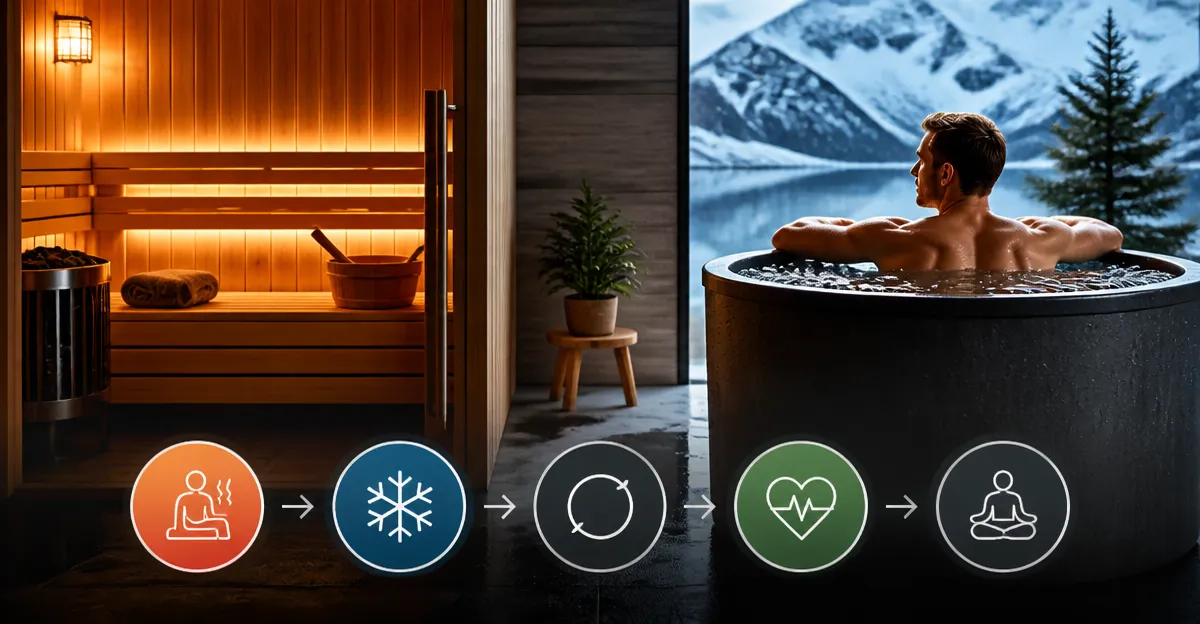
Research suggests a ratio of roughly 4:1 heat to cold duration for optimal contrast. A common structure is:
- Sauna: 15‑20 minutes at 130‑150°F.
- Transition: 2‑3 minutes of gentle drying and light movement.
- Ice Bath: 3‑5 minutes at 50‑59°F.
- Recovery: 5‑10 minutes of passive rest.
For beginners, start with a 10‑minute sauna and a 2‑minute ice bath, gradually extending each segment as tolerance improves. Monitoring heart rate and perceived exertion helps avoid over‑stress. Athletes often repeat the cycle twice per session, especially after heavy training days.
Product Recommendations for the Protocol
Choosing the right sauna can streamline the protocol. Below are curated options that align with the timing guidelines and add functional value.
1. X‑Vcak Infrared Sauna
This 1‑2 person infrared unit heats up quickly thanks to six 1450W panels, reaching up to 150°F in under ten minutes. The built‑in 7‑color therapy lights provide additional recovery benefits, while Bluetooth speakers enable soothing music during the heat phase. With a 4.8‑star rating and a price of $1,399.98, it balances premium features with a reasonable footprint (40" × 36" × 73").
2. Manastin Portable Steam Sauna
The Manastin model delivers 15 adjustable temperature levels and a 99‑minute timer, allowing precise control of the heat exposure. Its 2.6' × 2.6' × 5.9' interior offers enough room for most users, and the portable design simplifies storage. Priced at $99.99 with a 4.3‑star rating, it is an affordable entry point for contrast therapy.
3. MUTAMA Portable Steam Sauna Tent
Featuring a 1400W steamer, a 3‑liter tank, and a built‑in 660nm red‑light panel, this tent combines steam and photobiomodulation. The steel frame ensures stability, and the panoramic window reduces claustrophobia. At $179.89 and a 4.5‑star rating, it offers a mid‑range solution with advanced wellness features.
4. Manastin 2‑Person Steam Sauna
For couples or families, this larger unit (48.5" × 37" × 71") provides dual steam generators, individual remote controls, and premium satin‑cotton fabric for heat retention. Despite a modest price of $139.99 and a 4.4‑star rating, it delivers a spacious experience comparable to permanent installations.
5. FniOk Portable Steam Sauna
The most budget‑friendly option, priced at $74.99, offers nine heating levels, rapid 15‑second heating, and a compact footprint (31.5" × 31.5" × 40.5"). While the remote control has mixed reviews, the unit still receives a 4.1‑star rating and serves well for occasional use.
Comparison and Selection Guide
When selecting a sauna for the sauna‑then‑ice‑bath protocol, consider the following matrix:
| Feature | X‑Vcak Infrared | Manastin Portable Steam | MUTAMA Steam Tent | Manastin 2‑Person | FniOk Portable |
|---|---|---|---|---|---|
| Power (W) | 1450 × 6 | Variable (15 levels) | 1400 | Dual generators | 1000 |
| Capacity | 1‑2 persons | 1‑2 persons | 1‑2 persons | 2 persons | 1 person |
| Additional Therapy | Red‑light, Bluetooth | None | Red‑light panel | Premium satin | None |
| Price | $1,399.98 | $99.99 | $179.89 | $139.99 | $74.99 |
| Rating | 4.8/5 | 4.3/5 | 4.5/5 | 4.4/5 | 4.1/5 |
For users prioritizing premium features and durability, the X‑Vcak infrared sauna stands out. Those on a tighter budget or with limited space may opt for the Manastin portable steam model. If red‑light therapy is a priority, the MUTAMA tent offers an integrated solution without requiring separate devices.
Best Practices & Tips
- Hydrate before and after the sauna; dehydration can amplify cardiovascular strain.
- Start each session with a brief warm‑up (5 minutes of light activity) to prepare the circulatory system.
- Use a timer for both sauna and ice bath phases to maintain consistent exposure.
- Maintain a log of temperature, duration, and subjective recovery scores to track progress.
- Consult a healthcare professional if you have cardiovascular disease, hypertension, or are pregnant.
Incorporating aromatherapy, such as a few drops of eucalyptus oil in the sauna, can further enhance respiratory comfort. Similarly, adding a few mint leaves to the ice bath can provide a refreshing sensation that eases the cold shock.
Frequently Asked Questions
1. How often should I perform the sauna‑then‑ice‑bath protocol?
Three to four times per week is sufficient for most healthy adults. Athletes may increase frequency to six sessions during heavy training blocks, provided recovery is monitored.
2. Can I use a traditional hot tub instead of a sauna?
While a hot tub provides heat, it does not achieve the same dry or infrared temperature range, and the water immersion reduces the contrast effect. Saunas remain the preferred heat source for maximal vasodilation.
3. What is the ideal water temperature for the ice bath?
Target 50‑59°F (10‑15°C). Use a thermometer to verify; ice alone may overshoot the range, especially in warm climates.
4. Is it safe to combine red‑light therapy with sauna heat?
Yes. Red‑light wavelengths (660 nm) penetrate skin without adding heat, complementing the sauna’s circulatory benefits. Devices such as the X‑Vcak and MUTAMA models integrate this feature safely.
5. Should I eat before a sauna session?
A light snack containing carbohydrates and protein (e.g., a banana with nuts) 30‑60 minutes prior can sustain energy without causing digestive discomfort.
6. How long should I wait between the sauna and ice bath?
A brief transition of 2‑3 minutes—enough to towel off and move to the cold immersion—optimizes the contrast without allowing the body temperature to normalize fully.
Conclusion
The sauna‑then‑ice‑bath protocol leverages the body’s natural thermoregulatory mechanisms to promote recovery, reduce inflammation, and enhance overall well‑being. By understanding the science, respecting timing ratios, and selecting equipment that aligns with personal goals, anyone can integrate this powerful contrast therapy into a sustainable routine. Whether opting for a premium infrared unit like the X‑Vcak or a budget‑friendly portable steam tent, the essential principles remain the same: consistent heat exposure, controlled cold immersion, and mindful monitoring.
Products Featured in This Guide
X‑Vcak Infrared Sauna
Price: $1,399.98 | Rating: 4.8/5 (36 reviews)
Featured for its rapid heating, 7‑color light therapy, Bluetooth audio, and high safety standards, making it ideal for a premium home contrast protocol.
Manastin Portable Steam Sauna
Price: $99.99 | Rating: 4.3/5 (155 reviews)
Featured for its affordability, 15 heat levels, 99‑minute timer, and easy portability, suitable for beginners and small spaces.
MUTAMA Portable Steam Sauna
Price: $179.89 | Rating: 4.5/5 (71 reviews)
Featured for its 1400W steamer, built‑in red‑light panel, and sturdy steel frame, offering a mid‑range solution with photobiomodulation.
Manastin 2‑Person Steam Sauna
Price: $139.99 | Rating: 4.4/5 (516 reviews)
Featured for its spacious dual‑person design, dual steam generators, and premium satin fabric, ideal for couples or small groups.
FniOk Portable Steam Sauna
Price: $74.99 | Rating: 4.1/5 (156 reviews)
Featured for its low price point, quick 15‑second heating, and compact design, providing an entry‑level option for occasional contrast therapy.