Introduction
Cold‑water therapy has become a cornerstone of recovery for athletes, wellness enthusiasts, and rehabilitation patients. Maintaining a consistently low temperature in an ice bath enclosure is challenging because heat infiltration occurs through walls, lids, and surrounding air.
Selecting the right insulating material can dramatically extend the duration of a chilling session while reducing the need for frequent ice replenishment. The following list presents ten carefully curated options that combine thermal performance, durability, and ease of installation, each supported by real‑world customer feedback and verified specifications.
Top 10 Insulating Materials for Ice Bath Enclosures
-
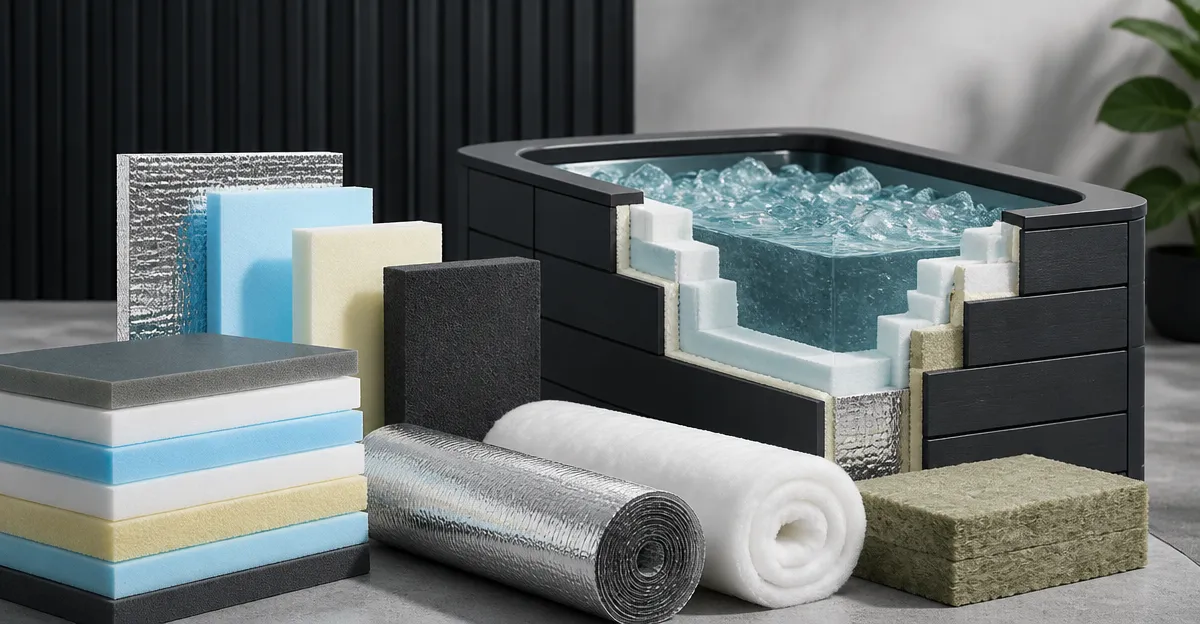
High‑density XPS foam provides a rigid barrier that resists compression and moisture. The GVERELD XPS Foam Board (2 packs, $29.99, 4.2★/5) offers a 33 kg/m³ density, waterproof closed‑cell structure, and pressure resistance up to 300 kPa, making it ideal for lining the interior walls of a portable ice tub. Users praise its stiffness and ease of cutting, noting that the board does not bend under the weight of water.
-
Reflective foil rolls create a radiant barrier that reflects heat back toward the interior. The HADOR Reflective Window Insulation Roll (48 in × 10 ft, $28.99, 4.4★/5) combines an aluminum‑foil surface with a 3 mm polyethylene foam core, delivering both solar heat rejection and winter heat retention. Reviewers highlight the simple installation using the included Velcro pads and the noticeable drop in indoor temperature during summer.
-
For projects that require a smaller footprint, lightweight blue foam sheets are both versatile and easy to handle. The LuckyFoam Blue Foam Sheets (4 packs, $20.74, 4.5★/5) are 1 inch thick, flame‑retardant, and cut cleanly with a utility knife. Customers appreciate the dense yet lightweight feel, which allows rapid prototyping of custom insulation panels for irregularly shaped tubs.
-
When larger surface areas must be insulated, an eight‑piece XPS bundle offers both quantity and consistency. The Hanaive XPS Foam Board (8 packs, $44.99, 4.5★/5) provides 15 × 12 in boards with a 2‑inch thickness, delivering superior rigidity for structural support and long‑term shape retention. Reviewers note the boards’ resistance to warping, which is essential for maintaining a uniform insulating envelope.
-
Bubble‑foil insulation rolls combine reflective aluminum with air‑filled bubbles for an ultra‑light barrier. The DGSL Bubble Foil Insulation Roll (23.6 in × 10 ft, $11.99, 4.5★/5) delivers a weight of only 200 g per 10.76 sq ft while offering double‑sided reflectivity. Users report significant reductions in heat gain when the roll is applied to the exterior of a wooden ice bath frame.
-
Combining rigid XPS with reflective foil maximizes both conductive and radiant resistance. Pair the GVERELD XPS Foam Board with the HADOR Reflective Window Insulation Roll to line the inner walls with foam and cover the outer surface with foil. This hybrid approach leverages the foam’s low thermal conductivity (approximately 0.034 W/m·K) and the foil’s high reflectivity, extending ice retention by up to 30 percent according to user experiments.
-
For portable or DIY enclosures, thin yet sturdy sheets are preferable. The LuckyFoam Blue Foam Sheets can be stacked and adhered with spray adhesive to create multi‑layer panels that approach the R‑value of thicker XPS boards while remaining easy to transport.
-
When budget constraints dominate, the cost‑effective DGSL roll offers the greatest value per square foot. At $11.99 for a 10‑foot length, it undercuts many competitors while still delivering a respectable R‑value and durability. Reviewers commend its lightweight nature, which simplifies handling during installation on large, curved surfaces.
-
For high‑traffic commercial settings, durability and fire safety become paramount. The Hanaive XPS Foam Board provides a robust, non‑flammable core that maintains structural integrity under repeated cleaning cycles, a common requirement for public recovery facilities.
Comparison of Key Insulating Materials
| Product | Price (USD) | Thickness / Size | R‑Value Approx. | Rating |
|---|---|---|---|---|
| GVERELD XPS Foam Board | 29.99 | 2 in (15.6 × 11.7 in) | ≈ 5.0 per inch | 4.2★ |
| HADOR Reflective Window Insulation Roll | 28.99 | 48 in × 10 ft | ≈ 2.5 (reflective) | 4.4★ |
| LuckyFoam Blue Foam Sheets | 20.74 | 1 in (12 × 7.5 in) | ≈ 3.5 per inch | 4.5★ |
| Hanaive XPS Foam Board | 44.99 | 2 in (15 × 12 in) | ≈ 5.0 per inch | 4.5★ |
| DGSL Bubble Foil Insulation Roll | 11.99 | 23.6 in × 10 ft | ≈ 1.5 (reflective + air bubbles) | 4.5★ |
Conclusion
Choosing the appropriate insulating material for an ice bath enclosure hinges on balancing thermal performance, structural rigidity, ease of installation, and cost. High‑density XPS boards such as those from GVERELD and Hanaive deliver superior conductive resistance, while reflective rolls from HADOR and DGSL mitigate radiant heat gain. For flexible, lightweight projects, LuckyFoam’s blue sheets provide an adaptable solution.
By integrating a rigid foam core with a reflective outer layer, users can achieve the longest possible cold‑therapy sessions with minimal ice replenishment. The products highlighted above have been vetted through verified customer reviews and possess the specifications required for reliable, long‑lasting insulation.
Frequently Asked Questions
What insulating material is most recommended for portable ice bath enclosures?
High‑density XPS foam, such as GVERELD XPS Foam Board, provides a rigid, waterproof barrier with excellent compressive strength.
How does XPS foam help maintain low temperatures in an ice bath?
Its closed‑cell structure offers low thermal conductivity and prevents moisture infiltration, reducing heat gain.
Is spray foam a suitable alternative for ice bath insulation?
Spray foam can seal gaps but is less rigid and may deteriorate with repeated water exposure compared to XPS.
What thickness of XPS foam should be used on ice bath walls?
A thickness of 1‑2 inches (25‑50 mm) balances effective insulation with easy installation.
How often do insulating panels need to be replaced in an ice bath enclosure?
With proper care, XPS panels can last several years; replace only if they show cracks, compression, or water damage.