Introduction
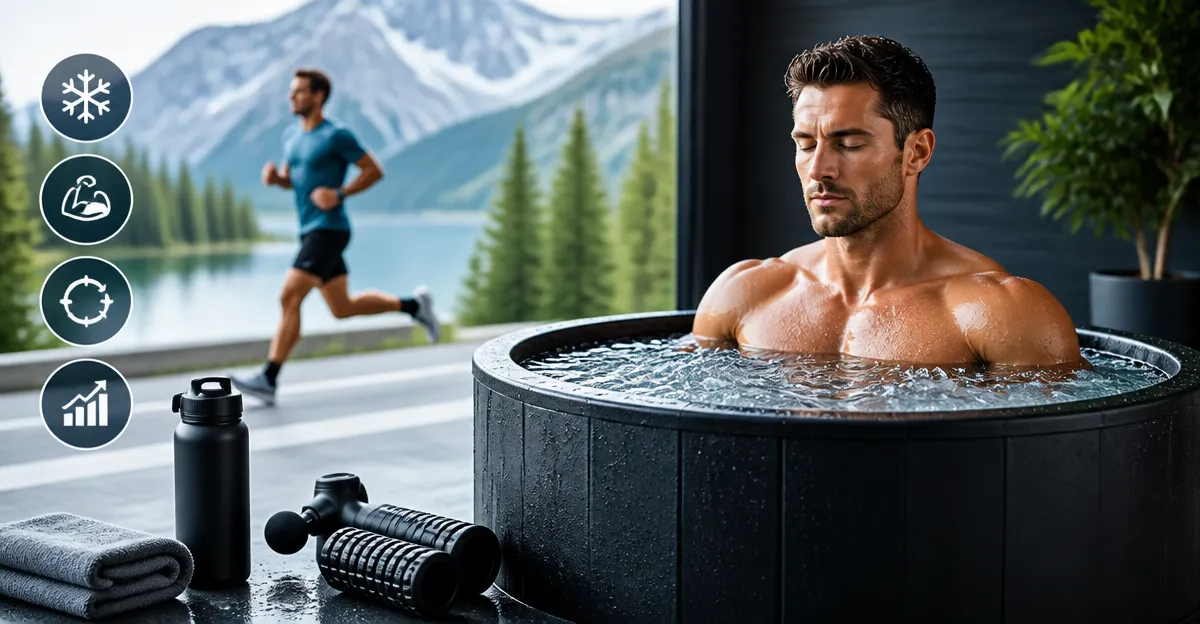
Runners constantly seek methods to accelerate recovery and maintain peak performance. This guide explains the science behind cold water immersion, outlines a complete step‑by‑step routine, and recommends equipment that delivers measurable benefits. Readers will learn how to integrate cold plunges into weekly training, avoid common pitfalls, and select the product that best fits their environment. By the end of the article, a runner will possess a clear plan to reduce muscle soreness and boost overall performance.
Background and Context
Cold water immersion, often called cryotherapy, induces vasoconstriction followed by vasodilation, which helps flush metabolic waste from fatigued muscles. Research indicates that temperatures between 10°C and 15°C for 5–10 minutes can diminish delayed‑onset muscle soreness (DOMS) without impairing strength gains. For runners, the primary benefits include faster removal of lactate, reduced inflammation, and a refreshed nervous system ready for the next training session. Understanding these mechanisms allows athletes to apply cold therapy strategically rather than arbitrarily.
Understanding the Cold Plunge Process
The cold plunge experience can be divided into three phases: preparation, immersion, and post‑plunge recovery. During preparation, the athlete ensures proper hydration, selects an appropriate water temperature, and sets a timer to avoid overexposure. Immersion involves entering the water calmly, maintaining steady breathing, and staying within the recommended duration. Post‑plunge recovery focuses on gentle movement, re‑warming, and nutrition to capitalize on the circulatory reset.
Step‑by‑Step Cold Plunge Routine for Runners
Step 1 – Hydration and Warm‑Up: Consume 200–300 ml of water 30 minutes before the plunge to support circulation. Perform a light dynamic warm‑up such as leg swings or high‑knees for three to five minutes to raise core temperature slightly. This contrast between warm muscles and cold water enhances the shock response that drives recovery.
Step 2 – Prepare the Tub: Fill the chosen tub with cold water and add ice until the temperature reaches 10–12 °C. For runners who lack easy ice access, the 1stplunge Ice Bath Chiller Kit provides a continuous chilled supply without manual ice, maintaining a stable 42 °F environment.
Step 3 – Enter the Plunge: Submerge the body gradually, allowing the legs to enter first to reduce the initial shock. Remain immersed for 6–8 minutes, focusing on slow diaphragmatic breathing to manage the cold stimulus. Use a waterproof timer or a smartphone app to track the duration precisely.
Step 4 – Controlled Exit: Rise slowly, allowing blood to return to the extremities in a controlled manner. Pat the skin dry and wrap in a thermal towel to prevent rapid re‑cooling. Perform a brief 2‑minute low‑intensity walk to promote circulation and aid the removal of metabolic by‑products.
Step 5 – Nutrition and Rest: Within 30 minutes, ingest a balanced snack containing carbohydrates and protein to replenish glycogen stores and support muscle repair. Hydrate with electrolyte‑rich fluids to replace any minerals lost through sweating. Finally, schedule a rest period of at least 24 hours before the next high‑intensity run.
Product Recommendations Integrated Into the Routine
Choosing the right equipment simplifies each step of the routine. The ONLYCARE XXL Ice Bath Tub offers a spacious 135‑gallon capacity, allowing two adults to share a session or providing ample room for a runner to fully stretch. Its multi‑layer construction retains cold temperatures for up to five hours, reducing the need for frequent ice replenishment.
For athletes who prefer a portable solution, the Bubplay XL Ice Bath Tub combines six‑layer insulation with stainless‑steel support rods, ensuring stability on uneven surfaces. The included drain hose accelerates water removal, making the post‑plunge cleanup swift and mess‑free.
Runners seeking a premium, chiller‑compatible system may consider the AudaciaGo XXL Ice Bath Tub. Its reinforced fiberglass walls and 216‑gallon volume accommodate taller athletes, while the insulated lid preserves low temperatures for extended sessions. The built‑in inlet and outlet ports facilitate direct connection to the 1stplunge chiller or any third‑party cooling unit.
Budget‑conscious runners can benefit from the Keystone Peak Cold Plunge Tub. Priced under $45, it provides three‑layer insulation and a portable design that fits in a garage or backyard. The included thermal lid and drain valve enable a quick set‑up, making it ideal for daily use.
Comparison and Selection Guide
| Feature | ONLYCARE XXL | Bubplay XL | AudaciaGo XXL | 1stplunge Chiller Kit | Keystone Peak |
|---|---|---|---|---|---|
| Capacity (Gallons) | 135 | 105 | 216 | 148 (tub) + chiller | Varies (approx. 120) |
| Price (USD) | 49.99 | 66.99 | 345.95 | 449.00 (complete system) | 44.97 |
| Rating | 4.3/5 (86 reviews) | 4.2/5 (767 reviews) | 4.4/5 (112 reviews) | 4.1/5 (54 reviews) | 4.2/5 (446 reviews) |
| Portability | Foldable, carry bag | Inflatable, foldable | Inflatable with carry bag | Stationary system, tub portable | Inflatable, lightweight |
| Chiller Compatibility | Manual ice only | Manual ice, optional hose | Built‑in inlet/outlet | Integrated chiller | Manual ice only |
| Insulation Layers | Multi‑layer, 98% retention | 6‑layer insulation | Reinforced fiberglass, 7‑layer PVC | 7‑layer PVC + external filter | 3‑layer insulation |
Runners should match their budget, space constraints, and desire for automated temperature control when selecting a tub. Those who travel frequently may prioritize the lightweight, foldable design of ONLYCARE or Keystone Peak. Athletes requiring consistent sub‑15 °C water without constant ice addition will benefit most from the AudaciaGo system paired with the 1stplunge chiller. The Bubplay XL offers a middle ground with solid stability and easy drainage for home gyms.
Best Practices & Tips for Optimal Recovery
- Schedule cold plunges within 30 minutes after a hard run to maximize the anti‑inflammatory response.
- Maintain water temperature between 10 °C and 15 °C; colder than 5 °C can increase the risk of hypothermia.
- Limit immersion time to 8‑10 minutes for beginners; experienced athletes may extend to 12 minutes with careful monitoring.
- Combine cold immersion with compression garments to further reduce swelling.
- Track personal metrics such as perceived soreness, heart rate variability, and performance times to assess the effectiveness of the routine.
- Ensure the plunge area is well‑ventilated and free of obstacles to prevent slips when entering or exiting.
- Replace water every two weeks or when it becomes cloudy to maintain hygiene and prevent bacterial growth.
Frequently Asked Questions
- How often should a runner use a cold plunge? Most experts recommend two to three sessions per week, especially after long runs or interval training. Daily use is acceptable for elite athletes provided the duration does not exceed eight minutes per session.
- Is it safe to use a cold plunge during pregnancy? Pregnant runners should consult their healthcare provider before beginning any cold immersion therapy, as rapid temperature changes may affect fetal circulation.
- Can I combine a cold plunge with a hot sauna in the same day? Alternating between hot and cold modalities—known as contrast therapy—can enhance circulation. Allow at least one hour between the two to avoid cardiovascular stress.
- Do I need a chiller if I have a large tub? A chiller eliminates the need for frequent ice purchases and maintains a stable temperature, which is advantageous for larger volumes such as the AudaciaGo XXL (216 gal) or the 1stplunge system.
- What is the best way to clean the tub after each use? Drain the water, rinse the interior with mild soap and a soft cloth, then allow the tub to dry completely before storage. The drain valves on the Bubplay XL and Keystone Peak simplify this process.
- Will cold plunges affect my running speed? When used correctly, cold immersion reduces muscle soreness and improves recovery, which can indirectly support faster training cycles and improved race times.
- Is it necessary to wear a swimsuit? Wearing a swimsuit reduces friction and protects the tub’s interior surface, especially for inflatable models with a vinyl liner.
Conclusion
Cold water immersion offers runners a scientifically backed method to diminish soreness, accelerate muscle repair, and sustain high performance throughout demanding training cycles. By following the step‑by‑step routine, selecting equipment that aligns with personal goals, and adhering to best‑practice guidelines, athletes can integrate cold plunges seamlessly into their recovery arsenal. Consistency, proper temperature control, and attentive post‑plunge nutrition will maximize the benefits while minimizing risks.
Products Featured in This Guide
ONLYCARE XXL Ice Bath Tub
Price: $49.99 | Rating: 4.3/5 (86 reviews)
Featured for its large 135‑gallon capacity, multi‑layer insulation that retains cold for five hours, and ultra‑portable design ideal for runners who need a budget‑friendly yet spacious solution.
Bubplay XL Ice Bath Tub
Price: $66.99 | Rating: 4.2/5 (767 reviews)
Featured for its six‑layer insulation, sturdy stainless‑steel support rods, and convenient drain hose, providing a stable and easy‑to‑maintain option for home gyms.
AudaciaGo XXL Ice Bath Tub
Price: $345.95 | Rating: 4.4/5 (112 reviews)
Featured for its professional‑grade construction, 216‑gallon volume, chiller‑compatible inlet/outlet ports, and insulated lid that together deliver a premium cold plunge experience.
1stplunge Ice Bath Chiller Kit
Price: $449.00 | Rating: 4.1/5 (54 reviews)
Featured for delivering a complete cold plunge system that eliminates the need for ice, includes a 1/3 HP chiller, external filtration, and a 148‑gallon insulated tub for continuous low‑temperature immersion.
Keystone Peak Cold Plunge Tub
Price: $44.97 | Rating: 4.2/5 (446 reviews)
Featured for its affordable price, three‑layer insulation, and portable inflatable design, making it an accessible entry point for runners new to cold water therapy.