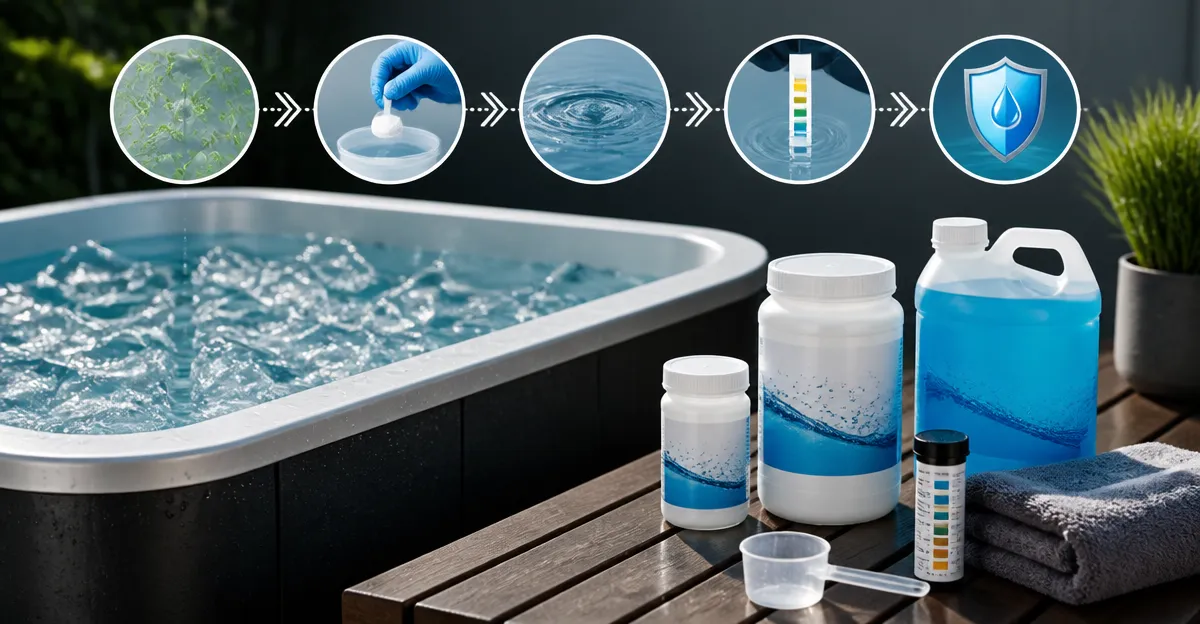
Introduction
Cold‑water immersion offers powerful recovery benefits, yet algae growth can quickly turn an inviting plunge into a murky, odorous disappointment. This guide explains how to prevent algae in ice baths by selecting the right chemicals, applying correct dosages, and observing essential safety practices. Readers will learn how to maintain crystal‑clear water, protect equipment, and extend the life of their cold‑plunge investment. By following these steps, one can enjoy a consistently fresh and hygienic immersion experience.
What You'll Need
- Weekly water‑treatment chemicals (e.g., Bio Ouster Cold Plunge Water Treatment)
- pH test strips or a digital meter
- Clean water source and a hose for occasional top‑ups
- Soft‑bristle brush or non‑abrasive sponge
- Protective gloves and eye protection
- Optional: secondary treatment such as AquaDoc Cold Plunge Water Treatment (32 oz) for larger setups
Step 1: Assess Water Quality and Prepare the Bath
Before adding any chemicals, one should test the water for pH, alkalinity, and visible contaminants. Use a pH strip to ensure the level falls between 7.2 and 7.8; this range discourages algae while remaining safe for skin. If the pH is outside this window, adjust it with a mild acid or base according to the manufacturer's instructions. Next, remove any debris with a soft‑bristle brush, paying special attention to corners where biofilm can develop.
Step 2: Apply a Weekly Water‑Treatment Solution
The most effective defense against algae is a weekly dose of a 3‑in‑1 cleaner, clarifier, and softener. Bio Ouster Cold Plunge Water Treatment provides exactly this combination in a professional‑grade formula that works without draining the tub. Each 32 oz bottle supplies up to 32 doses, meaning one ounce per 100 gallons each week maintains clarity and prevents microbial growth. The product is rated 4.5 out of 5 stars by 522 reviewers and costs $29.97, offering strong value for regular use.
For larger installations, the 32 oz AquaDoc Cold Plunge Water Treatment is a comparable alternative. It also delivers a 3‑in‑1 formula, priced at $25.99 with a 4.4‑star rating from 158 reviews. Use one ounce per 100 gallons, circulate for ten minutes, then allow the water to settle. Both products are made in the USA, ensuring consistent quality and safety.
If your plunge is a compact barrel or portable tub, the 16 oz AquaDoc Cold Plunge Water Treatment (16 oz) is an economical choice at $17.99. Its dosage matches the larger versions, and the smaller bottle simplifies storage for limited spaces. The product holds a 4.4‑star rating and is praised for its ease of use.
Step 3: Monitor and Adjust pH Regularly
Even with weekly treatment, pH can drift due to user sweat, body oils, and ambient temperature changes. Test the water at least twice per week, especially after heavy usage. If the pH rises above 7.8, add a small amount of a pH‑lowering agent such as sodium bisulfate; if it falls below 7.2, a pH‑raising product like soda ash can be used. Adjustments should be made in increments of 0.2 pH units to avoid shocking the system.
Step 4: Perform Routine Physical Cleaning
While chemical treatments inhibit algae, physical cleaning removes existing biofilm that can shelter spores. Drain and refill the tub every 4–6 weeks, or sooner if water becomes cloudy. Between full changes, scrub the interior surfaces with a non‑abrasive sponge and rinse thoroughly. This practice works synergistically with the weekly treatment, ensuring that the chemicals can reach all water surfaces effectively.
Step 5: Use a Long‑Lasting Stabilizer for Extended Maintenance
For users who prefer fewer weekly doses, the Durabasics Cold Plunge Water Treatment offers a 32‑week supply in a single 32 oz container. Priced at $21.99 and rated 4.3 stars by 155 reviewers, it combines clarity enhancement with residue and odor reduction. The initial dosage is 16 oz per 100 gallons, followed by a maintenance dose of 2 oz per 100 gallons every two weeks. This schedule reduces the frequency of handling while still preventing algae proliferation.
Tips & Pro Tips
- Store chemicals in a cool, dry place away from direct sunlight to preserve efficacy.
- Always add treatment to water, never the reverse, to prevent splashing of concentrated chemicals.
- Combine a weekly dose with a brief circulation period (5–10 minutes) to distribute the solution evenly.
- Consider using a UV‑light sanitizer as an additional barrier against algae spores, especially in outdoor installations.
- Keep the plunge covered when not in use to limit sunlight exposure, which fuels algae growth.
Troubleshooting
Problem: Water remains cloudy after treatment.
Solution: Verify correct dosage; increase to 1.5 oz per 100 gallons for one cycle, then resume normal dosing. Also, check the filter (if present) for clogs and clean it.
Problem: Persistent algae patches on the tub walls.
Solution: Perform a deep clean using a diluted bleach solution (1 tbsp per 10 gallons), rinse thoroughly, and restart the weekly treatment schedule.
Conclusion
Preventing algae in ice baths requires a balanced approach of chemical treatment, regular testing, and physical maintenance. By selecting an appropriate weekly water‑treatment product, monitoring pH, and performing routine cleaning, one can enjoy clear, odor‑free water for months. The recommended products—Bio Ouster, AquaDoc, and Durabasics—provide reliable, cost‑effective solutions that fit a range of plunge sizes and usage patterns. Implement these practices, and the cold‑plunge experience will remain both therapeutic and hygienic.
Products Mentioned in This Guide
Frequently Asked Questions
What chemicals are recommended to prevent algae in an ice bath?
Use a weekly water‑treatment product such as Bio Ouster Cold Plunge Water Treatment, optionally supplemented with AquaDoc for larger setups.
How often should I test and adjust the pH in my ice bath?
Test the pH at least once a week with strips or a digital meter and keep it between 7.2 and 7.8 for optimal algae control.
What is the correct dosage of algae‑preventing chemicals?
Follow the manufacturer’s label—typically one dose per 100 gallons of water, adjusted based on weekly pH and clarity readings.
Do I need protective gear when treating the water?
Yes, wear gloves and eye protection to avoid skin irritation from concentrated chemicals.
How can I keep the ice bath equipment free from algae buildup?
Regularly scrub surfaces with a soft‑bristle brush, rinse with clean water, and perform weekly chemical treatments to inhibit growth.